

Grief Therapy for Older Adults in Aurora with Medicare Insurance: Finding Comfort, Healing, and Connection
Compassionate Grief Therapy for Older Adults in Aurora
Grief can feel especially heavy in later life, when loss may come in many forms, from the passing of loved ones to changes in health, independence, or daily routines. For older adults in Aurora, whether living near Aurora Highlands, Hampden Heights, or the quiet residential pockets of Sable Ridge, compassionate support is close to home. Westside Behavioral Care offers grief therapy for Medicare-insured clients both in-person and via secure telehealth sessions, providing accessible, evidence-based care tailored to your needs.
Our licensed therapists understand the unique emotional challenges that accompany aging and loss. Whether you prefer meeting face-to-face or online from the comfort of your home, we’re here to listen and help you heal. Reach out at (303) 986-4197 or info@westsidebehavioralcare.com to learn more.

Why Grief Therapy Matters for Older Adults in Aurora
As people age, they often face profound transitions: retirement, the loss of lifelong friends, or changes in family roles. In Aurora, where many older adults balance active community life around places like Beck Recreation Center, Centre Hills Park, or Heritage Eagle Bend with moments of solitude, grief can quietly take hold and affect both mental and physical well-being. Recognizing and addressing grief is not a sign of weakness, it’s an act of courage and self-care.
Therapists at Westside Behavioral Care specialize in helping Aurora’s senior population navigate grief in ways that honor the past while restoring hope for the future. Many individuals in Aurora have turned to Westside for support. If you’re feeling the same, call (303) 986-4197 to find the right therapist for your journey.
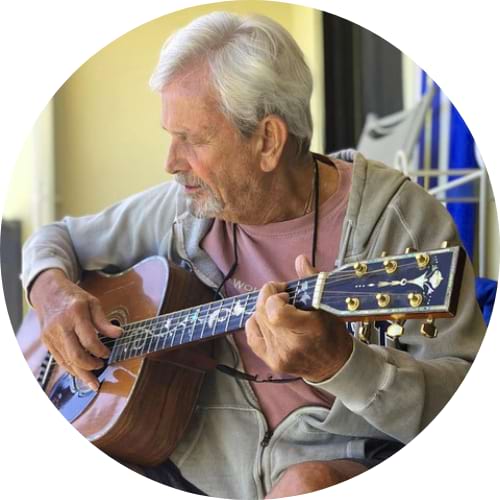
Emotional and Mental Health
Grief can deeply influence emotional stability for older adults. In Aurora’s vibrant but often transitional senior communities, many experience waves of sadness, loneliness, or anxiety that last longer than expected. The emotional toll of losing a spouse, close friend, or even a familiar daily routine can lead to depression or withdrawal. Without compassionate intervention, these feelings may compound other age-related stressors, making recovery more difficult.

Physical Health and Daily Functioning
Emotional pain often manifests in the body, especially for older adults. Unresolved grief can contribute to fatigue, changes in appetite or sleep, or worsening of chronic health conditions. In Aurora, where many seniors stay active through community programs and outdoor recreation, grief may make it harder to maintain energy or motivation for those healthy routines. Therapy helps rebuild those rhythms and restore balance between emotional and physical well-being.
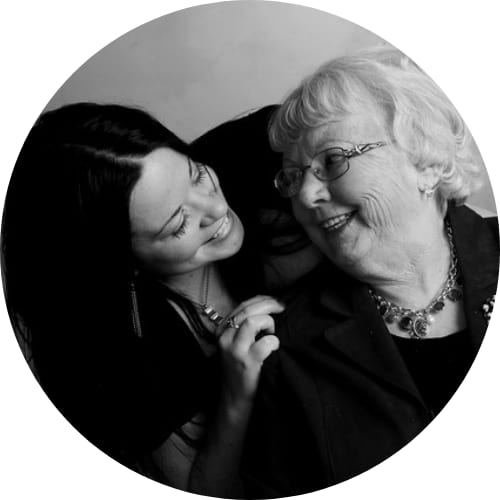
Connection and Sense of Purpose
For many older adults, Aurora offers strong community ties through churches, senior centers, and volunteer programs. But after a loss, these same environments can trigger painful reminders or feelings of isolation. Grief may cause withdrawal from social life, reducing opportunities for companionship. Reconnecting through therapy and guided support can help seniors rediscover belonging, rebuild friendships, and find new purpose within Aurora’s supportive local network.
When It’s Time to Seek Support for Grief
Grieving the loss of a loved one is natural, but when sadness becomes overwhelming or begins to interfere with daily life, professional help can make a meaningful difference. You might notice that activities you once enjoyed no longer bring comfort, or that sleep and appetite have changed drastically. Perhaps feelings of guilt or loneliness linger, even after months or years.
Therapy can help you find your footing again. At Westside Behavioral Care, many older adults share how grief has shaped their relationships, health, and sense of identity and together, we work to rebuild strength and meaning. Our team is always available at (303) 986-4197 or info@westsidebehavioralcare.com to talk about options for care.
Therapists in Aurora Who Specialize in Grief and Accept Medicare
At Westside Behavioral Care, our network includes licensed therapists who specialize in grief and bereavement for older adults. Many of our providers accept Medicare and offer both in-person sessions throughout the Aurora area and secure telehealth appointments for your convenience.
Our scheduling team can connect you with a therapist who fits your emotional needs, availability, and comfort level. Whether you prefer traditional talk therapy, cognitive behavioral approaches, or integrative methods, Westside makes finding care simple and supportive. Call (303) 986-4197 for current openings and to get started.
278 therapists found

Nora Claire
Licensed Clinical Social Worker
Nora specializes in trauma and crisis care, using CBT and an empathetic approach to help children and adults build resilience and achieve lasting mental wellness.
- Trauma, Cognitive Behavioral Therapy, and Anxiety
- Self Pay
- In-Person · Lakewood, CO 80228
- Video Call · Throughout Colorado

Roberta Robinson
Licensed Professional Counselor
Roberta provides empowering therapy for adults navigating trauma, addiction, and LGBTQIA+ topics, using CBT and mindfulness to build self-compassion and healthy boundaries.
- LGBTQIA+, Trauma, and Anxiety
- Self Pay
- In-Person · Denver, CO 80203
- Video Call · Throughout Colorado

Rendy Marican
Licensed Professional Counselor
Rendy specializes in ACT to help teens and adults overcome anxiety and eating disorders, offering bilingual Mandarin support to help clients build a fulfilling and values-driven life.
- Anxiety, Depression, and Eating Disorders
- Self Pay
- In-Person · Denver, CO 80246
- Video Call · Throughout Colorado

Kaycee Tormoen
Licensed Professional Counselor
Kaycee is currently accepting clients ages 16 and up.
Kaycee provides gender-affirming, strengths-based therapy for teens and young adults facing anxiety or trauma, offering a safe space often joined by her comforting therapy dog, Griz.
- Anxiety, Depression, and Gender-Affirming Care
- Self Pay
- In-Person · Lone Tree, CO 80124
- Video Call · Throughout Colorado

Leanne Morton
Licensed Professional Counselor
Leanne is a holistic art therapist in Colorado who uses somatic practices to help women and moms of all ages heal from trauma and reclaim their truth through her creative she/her approach.
- Trauma, Women's Issues, and Mindfulness
- Self Pay
- In-Person · Glendale, CO 80246
- Video Call · Throughout Colorado
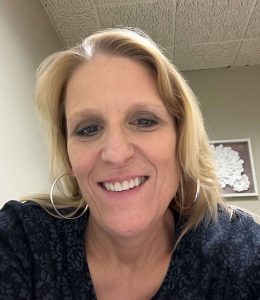
Susan Wooldridge
Licensed Professional Counselor
Susan uses a creative, flexible approach to help individuals and couples heal from trauma, addiction, and relationship struggles to foster secure, rewarding connections.
- Trauma, Eating Disorders, and Substance Use
- Self Pay
- In-Person · Broomfield, CO 80020
- Video Call · Throughout Colorado

Amanda Phannadeth
Licensed Clinical Social Worker
Amanda provides compassionate, trauma-informed care for children and adults, using play therapy and CBT to foster healing, felt safety, and secure relationships.
- Trauma, Cognitive Behavioral Therapy, and Play Therapy
- Self Pay
- In-Person · Broomfield, CO 80020
- Video Call · Throughout Colorado
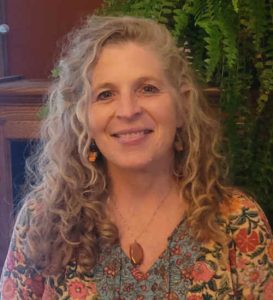
Karen Eiffert Lubell
Licensed Clinical Social Worker
Karen empowers adults to heal from trauma and anxiety using EMDR and TIST, providing a calm, relatable space to build lasting resilience and confidence.
- Trauma, Women's Issues, and Major Life Transitions
- Self Pay
- In-Person · Longmont, CO 80503
- Video Call · Throughout Colorado
The therapists below also match your needs and offer secure, online-only sessions for your convenience
Katie Dean
Licensed Clinical Social Worker
Katie uses EMDR and a calm, mind-body approach to help adults of all ages navigate trauma and life transitions, providing an inclusive space where she empowers her clients to find lasting healing.
- Anxiety, Depression, and Trauma
- Aetna, Self Pay, United/Optum, and more
- Video Call · Throughout Colorado

Katie Schuh
Licensed Clinical Social Worker
Katie helps adults and elders navigate ADHD, anxiety, and trauma; she uses cognitive and somatic approaches to foster empowerment and self-compassion.
- Anxiety, Depression, and ADHD
- Video Call · Throughout Colorado

Julie Atabe
Licensed Professional Counselor
Julie helps adults and seniors navigate anxiety and life transitions using CBT and EMDR, empowering her clients to reclaim their purpose and resilience online or in person.
- Anxiety, Depression, and Trauma
- Self Pay
- In-Person · Broomfield, CO 80020
- Video Call · Throughout Colorado

Nich Dhillon
Licensed Marriage and Family Therapist
Nich uses relational and narrative therapy to help teens and adults navigate anxiety and trauma, offering an inclusive, intersectional approach to support his clients’ collective healing.
- Relationship Challenges, LGBTQIA+, and Trauma
- Self Pay
- In-Person · Denver, CO 80203
- Video Call · Throughout Colorado
Understanding Grief and the Healing Process
Grief is not a single emotion, it’s a complex process that can unfold over time. For older adults in Aurora, grief therapy can help you process both the pain of loss and the challenge of finding new ways to connect with others and life itself. Healing does not mean forgetting; it means learning to live fully again, even while carrying cherished memories. Our therapists take a personalized approach to each session, recognizing that no two grief experiences are alike. Through compassionate dialogue, mindfulness practices, and cognitive techniques, clients often rediscover peace and purpose at their own pace.
Reconnecting After Loss
Grief can sometimes create distance, from family, friends, and community. For older adults, this isolation can deepen sadness. Therapy provides a structured, empathetic space to reengage socially and emotionally. By sharing stories and memories, many clients find comfort in connection. In Aurora’s active senior communities, such as those near Heather Gardens, Meadowood, or Mission Viejo Park, rejoining social activities after loss can feel daunting. A therapist can help you ease back into meaningful relationships and rediscover belonging, one step at a time.
Managing Physical and Emotional Health
Emotional pain often manifests physically, through fatigue, sleep difficulties, or increased illness. For those navigating both aging and grief, addressing emotional well-being can improve overall health. Our therapists integrate holistic care practices that support both mind and body. Many clients report reduced anxiety, improved focus, and renewed motivation after engaging in therapy. The goal is not to erase grief but to make daily life lighter and more manageable.
Finding Meaning Beyond Loss
One of the most powerful aspects of grief therapy is helping clients rediscover purpose. For seniors in Aurora, this might mean exploring new hobbies at the Aurora Center for Active Adults, volunteering with local programs near Aurora Municipal Center, or strengthening relationships with children and grandchildren who gather in neighborhoods like Seven Hills or Piney Creek. Therapy provides the tools and encouragement to build a meaningful next chapter. By integrating acceptance and growth, grief therapy helps older adults find peace with the past while cultivating joy in the present.
What to Expect from Your First Therapy Sessions
Starting grief therapy can feel uncertain at first, but your initial sessions are designed to help you feel comfortable, understood, and supported. During your first meetings, your therapist will take time to learn about your experiences, your goals for healing, and what feels most difficult right now. Together, you’ll begin to build a trusting relationship that allows for open conversation and steady progress. Many clients in Aurora find that even the first few sessions bring a sense of relief, knowing they no longer have to carry the weight of grief alone.
What You’ll Only Find Here
Founded and based in Colorado, Westside Behavioral Care has served the greater Denver and Aurora communities for decades. Our deep local roots mean we understand the unique rhythms and challenges of life in this area, from the changing seasons to the importance of family and independence.
Our scheduling team is known for their warmth and responsiveness, ensuring that clients never feel alone or rushed in the process of getting care. Every therapist in our network is licensed, compassionate, and dedicated to helping you move forward at your own pace. Contact us today at (303) 986-4197 or info@westsidebehavioralcare.com. We’re happy to answer your questions and help you schedule your first session.
Medicare Insurance Coverage for Grief Therapy
Westside Behavioral Care proudly accepts Medicare insurance for grief therapy services. No referral is required to begin. Many Medicare plans cover individual or family therapy for issues like grief, depression, and adjustment to life changes. Depending on your plan type, small co-pays or deductibles may apply. Simply call (303) 986-4197 for assistance scheduling your first appointment.

Frequently Asked Questions About Grief Therapy for Older Adults in Aurora
The following questions are often asked by Medicare-insured older adults seeking grief therapy in Aurora.
What kinds of grief do therapists at Westside Behavioral Care help with?
Our therapists work with a wide range of grief experiences, including the loss of a spouse, family member, close friend, or even a beloved pet. Grief can also arise from major life transitions such as retirement, declining health, or changes in living arrangements. For many older adults in Aurora, these experiences bring feelings of sadness, emptiness, or confusion about the future. Westside therapists approach grief holistically, helping you process emotions, honor memories, and begin to rebuild purpose and peace in daily life.
Does Medicare cover grief counseling?
Yes. Medicare typically covers outpatient mental health services, including grief therapy, provided by licensed professionals such as psychologists, clinical social workers, and counselors. Westside Behavioral Care accepts Medicare. In most cases, clients are only responsible for a small co-pay, and no referral is needed from your primary care provider.
Can I do grief therapy from home?
Absolutely. Many older adults in Aurora prefer to meet with their therapist online, especially if mobility, weather, or transportation are concerns. Westside Behavioral Care offers HIPAA-compliant telehealth sessions that make therapy accessible and private from the comfort of your own home. You’ll connect with your therapist through a secure video platform that works on computers, tablets, or smartphones. This flexible option ensures continuity of care, whether you’re in central Aurora or one of the surrounding neighborhoods.
How long does grief therapy take?
The length of therapy varies depending on the individual and the nature of their loss. Some clients find meaningful progress in just a few months, while others choose to continue for longer as they explore deeper emotional layers or adjust to ongoing life changes. Early sessions often focus on understanding your unique experience of grief and developing coping strategies, while later sessions help strengthen resilience and restore daily balance. Your therapist will collaborate with you to create a pace and plan that feel right for your healing process.
Are the therapists at Westside licensed professionals?
Yes. Every therapist in the Westside Behavioral Care network is a licensed mental health professional in the state of Colorado. Our team includes psychologists, professional counselors, clinical social workers, and marriage and family therapists, each experienced in helping older adults navigate grief and emotional recovery. Many have advanced training in cognitive-behavioral therapy (CBT), acceptance and commitment therapy (ACT), and trauma-informed care. You can feel confident that your therapist will provide compassionate, ethical, and evidence-based support tailored to your needs.
What if I’m not sure whether I need therapy?
It’s very common to question whether grief therapy is necessary, especially if you believe time alone should heal the pain. However, when sadness, guilt, or loneliness persist or begin to affect sleep, appetite, or relationships, professional support can help. A therapist provides a nonjudgmental space to talk openly about your loss and learn practical ways to cope. Even one conversation can help you understand what’s happening emotionally and whether ongoing therapy might bring relief. There’s no commitment required, just an opportunity to feel heard and supported.
Can grief therapy help with other emotions like anxiety or depression?
Yes. Grief often intertwines with other emotional challenges, especially in older adulthood. Many people in Aurora find that therapy not only helps with mourning but also eases anxiety, depression, and stress related to life changes. By addressing these interconnected feelings, your therapist can help you strengthen emotional balance, improve sleep and energy, and regain a sense of calm. Grief therapy often becomes a pathway to overall mental wellness, not just a response to loss.
We’re Here When You’re Ready
Healing from grief takes time, care, and connection. You don’t have to navigate this journey alone. At Westside Behavioral Care, we’re here to help older adults in Aurora find comfort, clarity, and renewed hope, one conversation at a time. Call (303) 986-4197 or email info@westsidebehavioralcare.com to get started.

 Email
Email Opening Hours
 Receptionist