Expert Mental Health Care from Qualified, Compassionate Professionals
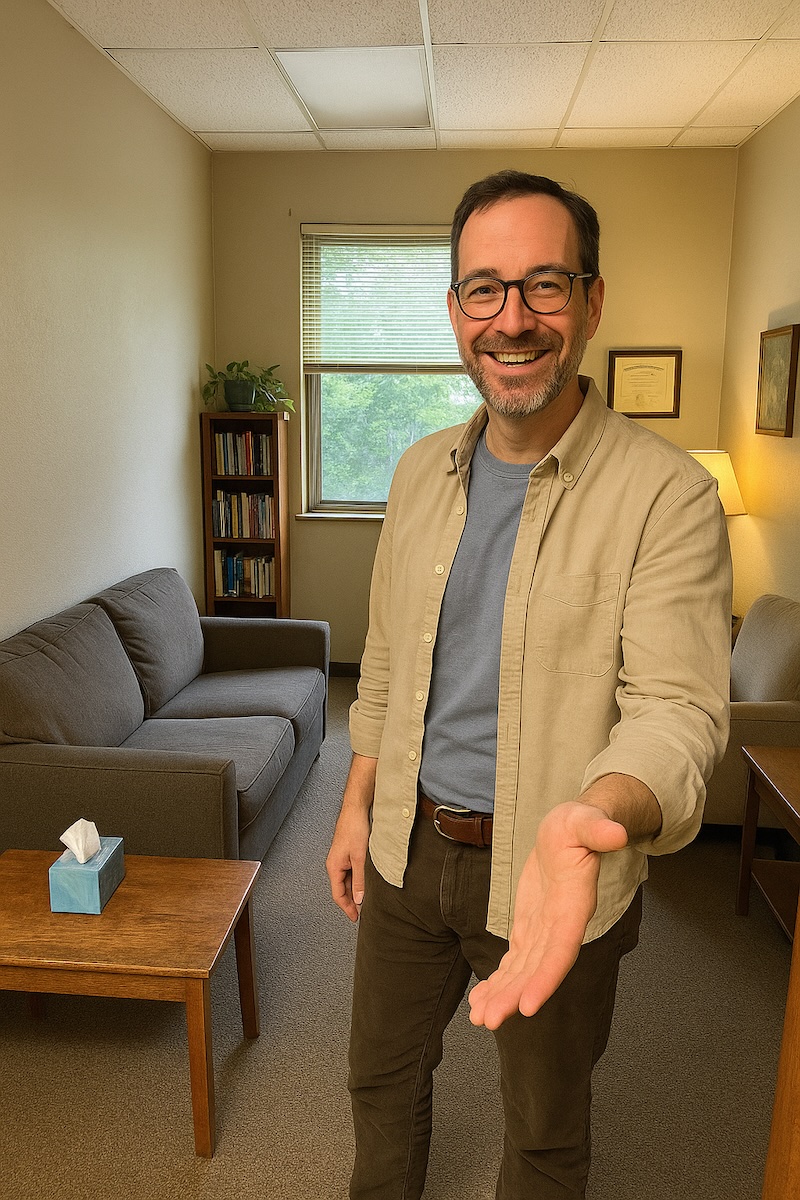
When you’re searching for mental health support in the greater Denver area, knowing your therapist’s qualifications matters. At Westside Behavioral Care, we’re proud to have a team of highly educated and trained, licensed mental health professionals dedicated to providing evidence-based care throughout Denver, Aurora, Lakewood, and the surrounding communities.
Our clinicians hold advanced degrees and specialized licensure from the State of Colorado’s Department of Regulatory Agencies, ensuring you receive the highest quality mental health services. Whether you’re dealing with anxiety, depression, stress, trauma, or other mental health concerns, our licensed therapists bring both professional expertise and genuine compassion to every session.
Table of Contents
Understanding Therapist Licenses in Colorado
Not sure what all those letters after your therapist’s name mean? You’re not alone! Colorado awards several types of mental health licenses, and licenses vary from state to state. Each license comes with unique training and areas of expertise. Our detailed guide breaks down relevant licenses for you below:
Licensed Professional Counselor (LPC)

A Licensed Professional Counselor in Colorado is a master or doctorate level therapist who provides evidence-based counseling and psychotherapy services. The Colorado State Board of Licensed Professional Counselor Examiners requires:
- Education – A master’s or doctoral degree in counseling from a program accredited by the Council for Accreditation of Counseling and Related Educational Programs (CACREP) or its equivalent. The program must include at least 48 semester hours of graduate coursework covering areas like human development, counseling theories, group counseling, assessment, and ethics.
- Supervised Experience – After graduation, counselors work as Licensed Professional Counselor Candidates (LPCCs) to complete 2,000 hours of post-master’s supervised counseling experience over at least two years. This includes a minimum of 100 hours of supervision, with at least 70 hours being face-to-face individual supervision.
- Examinations – Candidates must pass two exams:
- The National Counselor Examination (NCE) administered by the National Board for Certified Counselors
- The Colorado Mental Health Jurisprudence Examination covering Colorado’s mental health laws and regulations
- Continuing Education – LPCs must complete 40 hours of continuing professional development every two years to maintain their license, which expires on August 31 of odd-numbered years.
Westside’s LPCs provide evidence-based therapies including Cognitive Behavioral Therapy (CBT), Dialectical Behavior Therapy (DBT), Eye Movement Desensitization and Reprocessing (EMDR), and other specialized approaches. They work with children, teens, adults, couples, and families on issues ranging from anxiety and depression to trauma recovery and personal growth.
Licensed Clinical Social Worker (LCSW)

A Licensed Clinical Social Worker is also a master or doctorate level mental health professional with specialized training in psychotherapy and the social context of mental health. The Colorado State Board of Social Work Examiners requires:
- Education – A Master of Social Work (MSW) or doctorate in social work from a program accredited by the Council on Social Work Education (CSWE). The program must include field education and coursework in areas like human behavior, social welfare policy, research, and clinical practice.
- Initial Licensure – Graduates first obtain a Licensed Social Worker (LSW) credential, which requires:
- An MSW from a CSWE-accredited program
- Passing the Association of Social Work Boards (ASWB) exam (intermediate, advanced generalist, or clinical level)
- Passing the Colorado Mental Health Jurisprudence Examination
- Clinical Licensure – To advance to LCSW, social workers must complete:
- 3,360 hours of post-graduate clinical social work experience over a minimum of two years (maximum five years)
- 96 hours of clinical supervision, including at least 48 hours of individual, face-to-face supervision
- Passing the ASWB Clinical Examination
- Continuing Education – LCSWs complete 40 hours of professional development every two years through the Continuing Professional Development program. Licenses expire on August 31 of odd-numbered years.
LCSWs at Westside provide comprehensive mental health services with particular expertise in understanding how family systems, community resources, and social factors influence mental health. They offer individual therapy, family counseling, couples therapy, and case management services for conditions including depression, anxiety, trauma, grief, and life transitions.
Licensed Marriage and Family Therapist (LMFT)

A Licensed Marriage and Family Therapist is a master’s or doctoral-level mental health professional who specializes in relational and systemic approaches to therapy. LMFTs are uniquely trained to view problems through the lens of relationships and family systems, understanding that our closest connections profoundly impact our mental health and well-being. The Colorado State Board of Marriage and Family Therapist Examiners requires:
- Education – A master’s or doctoral degree in marriage and family therapy or a related field approved by the Commission on Accreditation for Marriage and Family Therapy Education (COAMFTE) or judged equivalent. If the degree was conferred in 1979 or after, it must include:
- At least 45 semester hours of graduate coursework
- 9 semester hours in each of the following areas: human development, marital and family studies, and marital and family therapy
- 3 semester hours each in research and professional studies
- Practicum and internship experience totaling at least 500 clinical contact hours
- Candidate Registration – Graduates must first register as Marriage and Family Therapist Candidates (MFTCs) before accumulating supervised clinical hours toward full licensure.
- Supervised Clinical Experience – After obtaining candidate status, therapists must complete:
- 2,000 hours of post-degree supervised clinical experience
- At least 1,500 hours must be direct client contact
- 100 hours of face-to-face supervision with an approved supervisor
- All hours must be completed within a five-year period from initial application
- Examinations – Candidates must pass two exams:
- The MFT National Examination, developed by the Association of Marital and Family Therapy Regulatory Boards (AMFTRB)
- The Colorado Mental Health Jurisprudence Examination, which covers Colorado laws and regulations governing marriage and family therapy practice
- Continuing Education – LMFTs must complete 40 Professional Development Hours (PDH) every two years as part of Colorado’s Continuing Professional Development program. Licenses expire on August 31 of odd-numbered years.
Westside’s LMFTs are particularly skilled at addressing communication problems, conflict resolution, blended family dynamics, life transitions, and relationship patterns that may be contributing to anxiety, depression, or other mental health concerns.
Psychologist (PsyD/PhD)

Psychologists hold doctoral degrees and are trained in psychological assessment, diagnosis, and treatment. They bring advanced expertise in understanding human behavior, cognition, and psychological testing. The two main doctoral degrees are the Doctor of Psychology (PsyD), which emphasizes clinical practice, and the Doctor of Philosophy (PhD), which includes both clinical work and research training. The Colorado State Board of Psychologist Examiners requires:
- Education – A doctoral degree (PhD or PsyD) in psychology from a program accredited by the American Psychological Association (APA) or its equivalent. The program must include:
- At least three academic years of full-time graduate study
- A minimum of 400 hours of practicum experience
- An APA-accredited internship of 1,500 hours (one full-time year or two half-time years)
- Postdoctoral Experience – Before full licensure, psychologists work as Psychologist Candidates and must complete at least 1,500 hours of postdoctoral supervised experience over a minimum of 12 months, including:
- 75 hours of supervision, with at least 50 hours face-to-face and individual
- At least 50 hours of training in racial and ethnic bases of behavior
- At least 3 hours of supervision specifically in multicultural competence
- Examinations – Candidates must pass:
- The Examination for Professional Practice in Psychology (EPPP) with a score of at least 500 out of 800
- The Colorado Mental Health Jurisprudence Examination
- Continuing Education – Psychologists complete continuing professional development requirements every two years. Licenses expire on August 31 of odd-numbered years.
Westside psychologists provide comprehensive psychological services including in-depth psychological evaluations, diagnostic assessments, psychotherapy for complex mental health conditions, and specialized treatments. They work with individuals across the lifespan on issues including trauma, personality disorders, serious mental illness, ADHD evaluations, and psychological testing.
Psychiatric Mental Health Nurse Practitioner (PMHNP)

A Psychiatric Mental Health Nurse Practitioner is an advanced practice registered nurse (APRN) who specializes in mental health care. PMHNPs are unique among our providers because they can prescribe psychiatric medications in addition to providing psychotherapy, offering integrated mental health treatment. The Colorado Board of Nursing requires:
- Education – An active Registered Nurse (RN) license in Colorado or a Nursing Compact state
- A graduate degree (Master’s or Doctor of Nursing Practice) in psychiatric-mental health nursing from a program accredited by the Commission on Collegiate Nursing Education (CCNE), Accreditation Commission for Education in Nursing (ACEN), or similar accrediting body
- The program must include a minimum of 500 faculty-supervised clinical hours
- A graduate degree (Master’s or Doctor of Nursing Practice) in psychiatric-mental health nursing from a program accredited by the Commission on Collegiate Nursing Education (CCNE), Accreditation Commission for Education in Nursing (ACEN), or similar accrediting body
- Advanced Coursework – PMHNPs complete specialized graduate courses in:
- Advanced physiology and pathophysiology
- Advanced pharmacology
- Advanced health assessment
- Psychiatric diagnosis and treatment across the lifespan
- National Certification – PMHNPs must obtain national certification, typically the Psychiatric-Mental Health Nurse Practitioner Board Certification (PMHNP-BC) from the American Nurses Credentialing Center (ANCC), which requires passing a comprehensive examination.
- State Registration – In Colorado, PMHNPs must:
- .Register as an Advanced Practice Registered Nurse (APRN) with the Colorado Board of Nursing
- Apply separately for Prescriptive Authority (RXN) to prescribe medications
- Continuing Education – PMHNPs maintain both their national certification (requiring continuing education every 5 years) and their Colorado APRN registration.
PMHNPs at Westside provide psychiatric care including mental health assessments, diagnosis, and medication management. They treat conditions such as depression, anxiety disorders, bipolar disorder, ADHD, PTSD, and other psychiatric conditions. The ability to both prescribe medications makes PMHNPs valuable providers for integrated mental health care.
Why Credentials Matter for Your Care
At Westside Behavioral Care, every therapist and mental health provider has invested years in education, supervised training, and ongoing professional development. These rigorous licensing requirements exist to protect you and ensure you receive safe, ethical, evidence-based care.
Whether you’re working with an LPC for individual therapy or a PMHNP for medication management, you can trust that your provider has met strict Colorado standards and continues to maintain their professional competence through ongoing education. Every Westside provider lists their training, licenses, and credentials on their profile, so you know you’re working with qualified professionals. Look for the icon below on your therapist’s profile if you’d like to verify their status with the Department of Regulatory Agencies.

Ready to Get Started?
We’re here to help you find that right match. Our team accepts most major insurance plans throughout the Denver metropolitan area and offers both in-person and online therapy options.
Ready to get started? Call us at 303-986-4197 or schedule directly through our website. Our friendly team can also provide one-on-one help to match you with a licensed professional who meets your specific needs.
For the most current Colorado licensing requirements and regulations, visit the Colorado Division of Professions and Occupations website. License requirements are subject to change by state regulatory boards.
Degrees & Licenses FAQs
How do I verify a therapist’s license in Colorado?
You can verify any Colorado mental health license through the Department of Regulatory Agencies (DORA) website. Westside providers’ licenses are all current and in good standing. You can easily verify their licenses by clicking on the icon below located in their individual website profiles.

What’s the difference between a therapist and a psychologist?
In Colorado, both licensed therapists (LCSWs, LPCs, LMFTs) and psychologists (PsyDs) can provide psychotherapy. Psychologists have doctoral-level training (PhD) and may also provide psychological testing and assessments. For many therapy needs, licensed master’s-level therapists are highly qualified and effective.
Can licensed therapists prescribe medication?
LCSWs, LPCs, and LMFTs cannot prescribe medication in Colorado. However, Psychiatric Nurse Practitioners (PMHNPs) and psychiatrists can prescribe medication. If medication might be helpful, our therapists can collaborate with prescribers or refer you to a PMHNP or psychiatrist.
Do all your therapists accept insurance?
Westside’s providers are in-network with at least one insurance company, and Westside has contracts with all major insurance plans serving the Denver area. Insurance acceptance varies by provider, so please contact us to find a licensed therapist who accepts your insurance.
How often do Colorado therapists need to renew their licenses?
Colorado therapists renew their licenses every two years and must complete continuing education to maintain their licensure. This ensures they stay current with the latest developments in mental health treatment.
What if I’m not sure which type of therapist I need?
For most mental health concerns, any of our licensed therapists can provide excellent care. During your initial outreach, we can help match you with a therapist whose training and expertise align with your specific needs. The most important factor is often the therapeutic relationship, regardless of specific license type.
 Email
Email Opening Hours
 Receptionist