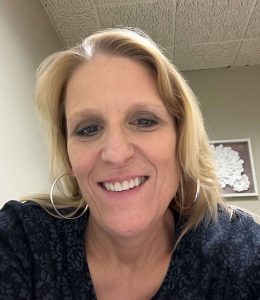
Receptionist
303-986-4197

Hours
Monday – Friday, 8:30am-5:00pm

Substance Use Counseling in Colorado

Explore support for substance use concerns, emotional coping patterns, and recovery-related stressors across Colorado.

Browse Therapists

Find a Therapist

Use the filter options to find available therapists by specialty, insurance, location and age group.

Appointments may be available in as little as 48 hours. Many major insurance plans accepted.

How Substance Use Can Affect Relationships & Emotional Wellbeing

Substance Use (Drug & Alcohol) can affect emotional wellbeing, relationships, communication, confidence, routines, and the ability to feel emotionally present throughout daily life. Many individuals experience stress, emotional overwhelm, anxiety, frustration, exhaustion, avoidance behaviors, difficulty concentrating, or feeling disconnected from others while navigating challenges related to substance use (drug & alcohol).

Over time, these experiences may affect work, school, parenting, intimacy, emotional regulation, self-esteem, decision-making, and overall quality of life. Some individuals notice ongoing strain connected to burnout, family dynamics, major life transitions, identity concerns, health-related stress, or difficulty balancing personal responsibilities and emotional needs.

Therapists across Colorado provide support for substance use (drug & alcohol) through approaches tailored to each individual’s experiences, goals, relationships, lifestyle, and emotional wellbeing.
How Therapy Can Help

Therapy can provide support, perspective, and practical tools for navigating challenges, improving emotional well-being, and building healthier patterns over time.

Better Understand Patterns & Behaviors

Therapy can help individuals recognize emotional patterns, thought processes, relationship dynamics, and behaviors that may be affecting daily life and overall well-being.

Develop Healthier Coping Strategies

Many people use therapy to build practical tools for managing stress, navigating challenges, improving communication, and responding to difficult situations more effectively.

Improve Emotional Awareness & Regulation

Therapy can support greater self-awareness, emotional balance, boundary-setting, and confidence in managing emotions across work, relationships, and everyday life.

Support Long-Term Personal Growth

In addition to addressing immediate concerns, therapy can help individuals strengthen resilience, improve self-understanding, and build healthier long-term habits and routines.

Evidence-Based Therapy Approaches for Substance Use (Drug & Alcohol)

Motivational Interviewing

Motivational Interviewing helps individuals explore ambivalence, strengthen personal motivation, and build confidence in making meaningful life changes. This collaborative, goal-oriented approach supports behavior change by helping people identify their own values, strengths, and reasons for growth.

Learn more about Motivational Interviewing >

Cognitive Behavioral Therapy (CBT)

Cognitive Behavioral Therapy (CBT) helps people identify unhelpful thought patterns, emotional responses, and behaviors while developing healthier coping strategies and practical tools for daily life. CBT is commonly used to support anxiety, depression, stress, relationship challenges, trauma-related concerns, and emotional regulation.

Learn more about Cognitive Behavioral Therapy (CBT) >

Dialectical Behavior Therapy (DBT)

Dialectical Behavior Therapy (DBT) helps individuals strengthen emotional regulation, distress tolerance, mindfulness, and interpersonal communication skills. This structured, evidence-based approach is commonly used to support emotional balance, relationship challenges, and stress management.

Learn more about Dialectical Behavior Therapy (DBT) >

Acceptance and Commitment Therapy (ACT)

Acceptance and Commitment Therapy (ACT) focuses on mindfulness, emotional flexibility, and values-based decision-making. ACT helps people respond to difficult thoughts and emotions more effectively while building healthier patterns that support long-term well-being and personal growth.

Learn more about Acceptance and Commitment Therapy (ACT) >

Mindfulness-Based Therapy

Mindfulness-based approaches help individuals develop greater awareness of thoughts, emotions, physical sensations, and behavioral patterns without judgment. These techniques can support stress management, emotional regulation, self-awareness, and overall mental wellness.

Learn more about Mindfulness-Based Therapy >

Frequently Asked Questions About Substance Use (Drug & Alcohol)

Substance use can affect many areas of life, including physical health, emotional well-being, relationships, work, finances, and daily functioning. While every person's experience is different, many individuals find themselves struggling with patterns of alcohol or drug use that feel increasingly difficult to manage on their own.

Therapy helps people better understand the factors contributing to substance use while developing healthier ways to cope with stress, emotions, triggers, and life challenges. Depending on a person's needs and goals, therapy may focus on recovery, harm reduction, relapse prevention, emotional regulation, relationship concerns, trauma, mental health symptoms, or building healthier routines.

Many people seek therapy because they feel stuck in patterns they want to change. Others want support maintaining recovery or understanding why they continue returning to substance use despite negative consequences.

Therapy provides a supportive and nonjudgmental environment where individuals can explore these concerns and work toward meaningful change. The goal is not simply stopping substance use. The goal is helping people build healthier, more fulfilling lives.

Substance use does not need to reach a crisis level before it begins affecting daily life. Some people notice increasing difficulty controlling how much or how often they use substances. Others find themselves using to cope with stress, anxiety, sadness, loneliness, boredom, or other difficult emotions.

Substance use may also affect relationships, work performance, finances, motivation, physical health, sleep, decision-making, or emotional well-being.

A useful question to consider is, "Is substance use helping me solve problems, or is it creating new ones?" If the answer increasingly points toward new problems, it may be worth exploring additional support. Many people benefit from addressing concerns early rather than waiting until consequences become more severe.

One of the most common misconceptions about addiction is that it reflects a lack of willpower or character. In reality, substance use concerns are complex and influenced by biological, psychological, social, environmental, and emotional factors. Recovery is often far more complicated than simply deciding to stop.

Another misunderstanding is that someone must "hit rock bottom" before seeking help. Many people benefit from support long before their situation reaches a crisis point.

People are also sometimes surprised to learn that addiction can affect individuals from all backgrounds, professions, education levels, and life circumstances. Perhaps most importantly, struggling with substance use does not mean someone is weak or beyond help. Recovery is possible, and many people successfully make meaningful changes with appropriate support.

This is one of the most common and frustrating experiences for people struggling with substance use. Many individuals genuinely want to stop or reduce their use. They make promises to themselves, set goals, or decide that things will be different moving forward.

Then stress, cravings, difficult emotions, habits, triggers, social situations, or life circumstances arise, and they find themselves returning to the same pattern.

Over time, this cycle can create feelings of guilt, shame, frustration, and self-doubt. People may begin questioning their motivation, discipline, or ability to change. The reality is that substance use often becomes connected to coping mechanisms, routines, emotional regulation, and neurological reward systems that make change more difficult than many people expect.

Understanding these patterns is often an important step toward breaking them. Therapy can help individuals identify triggers, develop healthier coping strategies, and build a more sustainable path toward change.

There is no single point at which substance use automatically becomes a problem.

Instead, concerns often emerge when alcohol or drug use begins negatively affecting health, relationships, responsibilities, finances, emotional well-being, safety, or overall quality of life.

Warning signs may include:

Difficulty controlling use
Increasing tolerance
Strong cravings
Relationship conflicts
Work or school problems
Continued use despite consequences
Using substances to cope with emotions
Failed attempts to cut back or stop

The presence of one sign does not necessarily indicate addiction. However, recurring patterns and increasing consequences may suggest that additional support could be beneficial. If substance use is creating problems that feel difficult to manage, it is worth taking seriously.

Yes. Many people experience setbacks, relapses, or periods of returning to old behaviors during the recovery process. These experiences can be discouraging, but they do not mean recovery has failed or become impossible.

Recovery is often a process rather than a single event. People frequently learn valuable information from setbacks, including identifying triggers, strengthening coping strategies, and understanding what support may be needed moving forward.

Many individuals who achieve long-term recovery have experienced multiple attempts before finding approaches that worked for them.

Progress is not always measured by perfection. It is often measured by continued growth, learning, and willingness to keep moving forward. Recovery remains possible regardless of how many times someone has struggled in the past.

Yes. Online therapy can provide accessible support for many individuals experiencing substance use concerns.

Virtual therapy may help people address triggers, coping skills, emotional challenges, relapse prevention, stress management, motivation, and recovery goals from the privacy of their own environment.

For some individuals, online therapy increases access to care, reduces barriers related to transportation or scheduling, and makes support easier to maintain consistently.

The appropriateness of telehealth depends on a person's needs, safety considerations, severity of symptoms, and treatment goals. Many individuals find virtual therapy to be a valuable component of their recovery journey.

A useful question to consider is, "Has substance use started having more control over my life than I want it to?"

Many people seek support when they feel stuck, frustrated, concerned about consequences, or unable to make changes despite wanting to do so.

Others pursue therapy because they want to prevent problems from worsening or strengthen their recovery efforts. You do not need to wait until everything falls apart before seeking help.

Support can be beneficial whenever substance use is affecting your well-being, relationships, responsibilities, goals, or quality of life. Seeking help is not a sign of weakness. It is often a sign that someone is ready to create meaningful change.

We Work With Your Insurance

Westside Behavioral Care works with many major insurance providers to help make therapy more accessible and affordable. Coverage for counseling may vary depending on your plan, therapist availability, and whether you are seeking virtual or in-person sessions.

You can filter therapists based on your plan to find covered care quickly.

Browse Therapists

View the full directory of therapists who meet your selected criteria, including those with availability beyond the soonest openings shown above.

Bennie Butler
Bennie Butler

Doctor of Philosophy in Psychology

4.6· 7 reviews
Soonest: 6/23/2026 at 7:00 PM

Bennie uses his honest, real approach and methods like CBT to help adults and young adults overcome addiction and trauma through a dedicated therapeutic alliance for lasting healing.


  • Substance Use, Trauma, and Cognitive Behavioral Therapy
  • Cigna, Self Pay, and United/Optum
  • Video Call · Throughout Colorado
Lindsey Distler
Lindsey Distler

Licensed Professional Counselor

5.0· 1 review
Soonest: 6/24/2026 at 2:00 PM

Lindsey specializes in trauma and addiction recovery for adults and the LGBTQIA+ community, using EMDR and CBT to provide a compassionate, direct path toward authentic and lasting healing.


  • Anxiety, Substance Use, and Trauma
  • Cigna, Self Pay, and more
  • Video Call · Throughout Colorado
Joshua Wolfinsohn
Joshua Wolfinsohn

Licensed Professional Counselor

4.8· 6 reviews
Soonest: 6/24/2026 at 3:00 PM

Josh empowers adults and seniors to overcome anxiety and addiction using a direct, science-based CBT approach that blends humor and empathy to help them build their best lives.


  • Depression, Anxiety, and Cognitive Behavioral Therapy
  • Self Pay
  • In-Person · Northglenn, CO 80234
  • Video Call · Throughout Colorado
Jeff Nelson
Jeff Nelson

Licensed Clinical Social Worker

5.0· 8 reviews
Soonest: 7/1/2026 at 10:00 AM

Seeing patients over 18 years old.

Jeff provides empathetic online therapy for adults, specializing in addiction, ADHD, and LGBTQIA+ support to help clients navigate life’s challenges and rediscover their inner strengths.


  • Substance Use, Cognitive Behavioral Therapy, and LGBTQIA+
  • Aetna, Cigna, Self Pay, United/Optum, and more
  • Video Call · Throughout Colorado
Andrea Rotz
Andrea Rotz

Licensed Professional Counselor

5.0· 8 reviews
Soonest: 7/2/2026 at 9:45 AM

Andrea provides compassionate, holistic support for teens and adults managing anxiety and life transitions, using evidence-based tools to help her clients find hope and lasting balance.


  • Anxiety, Depression, and Mindfulness
  • Self Pay
  • Video Call · Throughout Colorado
Wendy Klein
Wendy Klein

Licensed Clinical Social Worker

4.6· 8 reviews
Soonest: 7/7/2026 at 4:00 PM

New clients must complete the initial paperwork ahead of the first appointment

Wendy provides caring, eclectic therapy for adults and seniors managing bipolar disorder and anxiety, using CBT and mindfulness to help her clients find lasting relief.


  • Anxiety, Bipolar Disorder, and Depression
  • Aetna, Self Pay, United/Optum, and more
  • In-Person · Denver, CO 80224
  • Video Call · Throughout Colorado
Andre’a Kirkland
Andre’a Kirkland

Licensed Professional Counselor

4.6· 5 reviews
Soonest: 7/8/2026 at 12:00 PM

Andre'a provides online therapy for adults and seniors, specializing in anxiety and trauma to help them overcome internal roadblocks and achieve lasting emotional well-being.


  • Anxiety, Depression, and Mindfulness
  • Aetna, Anthem, Cigna, Humana, Self Pay, United/Optum, and more
  • Video Call · Throughout Colorado
Cody Fox
Cody Fox

Licensed Professional Counselor

Cody provides trauma-informed, evidence-based care for adults facing addiction and grief, helping his clients build an authentic life through a compassionate and collaborative approach.


  • Substance Use, Trauma, and Depression
  • Humana, Self Pay, and more
  • In-Person · Centennial, CO 80122
  • Video Call · Throughout Colorado
Sarah Phillips
Sarah Phillips

Licensed Clinical Social Worker

Sarah provides empowering, solution-focused CBT for adolescents and adults, specializing in ADHD, OCD, and eating disorders to help her clients find balance and achieve their goals.


  • ADHD, OCD, and Eating Disorders
  • Self Pay
  • Video Call · Throughout Colorado

Need Help Finding the Right Therapist?

Searching for a therapist can sometimes feel overwhelming, especially when looking for support that feels comfortable and aligned with your needs. Our team can help answer questions, explain therapy options, and connect you with therapists based on preferences like communication style, areas of focus, scheduling, availability, and insurance coverage.