
Mindfulness-Based Therapy in Colorado
Explore mindfulness-based approaches for stress reduction, emotional regulation, self-awareness, and staying grounded while browsing therapists across Colorado.
Find a Therapist
Use the filter options to find available therapists by specialty, insurance, location and age group.
Appointments may be available in as little as 48 hours. Many major insurance plans accepted.
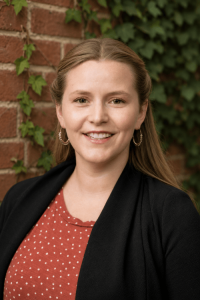
Samantha Day
Licensed Clinical Social Worker
Soonest:
This Saturday (9/19/2026) at 6:00 AM
Samantha is committed to making every client feels seen, respected, and accepted exactly as they are.
- ADHD, Autism Spectrum Disorder, and Women's Issues
- Anthem BCBS and Medicare
- In-Person · Denver, CO 80205
- Video Call · Throughout Colorado

Megan Keith
Licensed Professional Counselor
Soonest:
9/21/2026 at 8:00 AM
Megan specializes in trauma and PTSD recovery for adults, using Cognitive Processing Therapy to help her clients heal from past invalidation and find lasting emotional self-esteem.
- Cognitive Processing Therapy, PTSD, and Trauma
- Aetna, Cigna, Self Pay, and United/Optum
- Video Call · Throughout Colorado

Shana Dobson
Licensed Professional Counselor
Soonest:
9/21/2026 at 8:00 AM
Shana provides compassionate, inclusive therapy for all ages, specializing in ADHD, trauma, and LGBTQIA+ support to help her clients feel safe, validated, and empowered on their path to peace.
- ADHD, Depression, and LGBTQIA+
- Aetna, Anthem BCBS, Cigna, Self Pay, and United/Optum
- Video Call · Throughout Colorado
How Mindfulness-Based Therapy Approaches Work
Mindfulness-based therapy approaches incorporate mindfulness practices and present-moment awareness into the therapy process. These approaches focus on helping individuals strengthen emotional awareness, reduce stress reactivity, improve self-regulation, and develop a more balanced relationship with thoughts, emotions, and physical sensations.
Sessions may involve mindfulness exercises, breathing techniques, grounding strategies, body awareness, emotional reflection, and learning how to observe experiences without immediate judgment or reaction. Many mindfulness-based approaches also emphasize nervous system regulation, emotional flexibility, and coping skills that can be practiced outside of therapy sessions.
Many individuals appreciate mindfulness-based approaches because they combine practical coping tools with greater emotional awareness, stress reduction, and present-moment focus.

What to Expect During Therapy
Therapy sessions can look different depending on a person’s goals, experiences, and preferred approach to support. Many therapy approaches involve collaborative conversations, emotional reflection, skill-building, and working together to better understand challenges, patterns, and personal goals over time.
Collaborative Support
Therapy is often a collaborative process where individuals and therapists work together to explore concerns, identify goals, and build strategies that feel supportive and manageable.
Building Skills & Awareness
Some therapy sessions may involve learning coping strategies, emotional awareness techniques, communication tools, or new ways of responding to stress, relationships, and difficult experiences.
Personalized Goals & Growth
Therapy may focus on different goals depending on a person’s experiences, relationships, challenges, and priorities. Many people use therapy to support personal growth over time.
A Flexible & Supportive Process
The pace and structure of therapy can vary based on comfort level, goals, and personal preferences. Many people benefit from approaches that feel supportive and responsive to their needs.
Why Therapists May Use Mindfulness-Based Approaches
Therapists may use mindfulness-based approaches to help individuals strengthen emotional awareness, reduce stress reactivity, and develop healthier relationships with thoughts, emotions, and physical sensations. These approaches often encourage present-moment awareness, nervous system regulation, and nonjudgmental observation of internal experiences.
Many therapists appreciate mindfulness-based approaches because they combine practical coping tools with emotional awareness and stress reduction strategies that individuals can continue practicing outside of therapy sessions.

Frequently Asked Questions About Mindfulness-Based Approaches
What are Mindfulness-Based Approaches?
Mindfulness-Based Approaches are therapeutic methods that help people develop greater awareness of their thoughts, emotions, physical sensations, and experiences in the present moment. These approaches use mindfulness practices to help individuals respond more intentionally to life's challenges rather than reacting automatically out of stress, habit, or emotional overwhelm.
Many people spend a significant amount of time focused on the past or future. They may replay conversations, worry about what could happen next, judge themselves harshly, or feel disconnected from what's happening right now. Over time, these patterns can contribute to stress, anxiety, emotional reactivity, and difficulty enjoying daily life.
Mindfulness-Based Approaches help people become more aware of these patterns and create space between an experience and their response to it. Rather than operating on autopilot, individuals learn how to observe thoughts and emotions with greater curiosity and flexibility.
These approaches are commonly used to support emotional well-being, stress management, anxiety, depression, self-awareness, and personal growth. Many therapists integrate mindfulness practices into treatment because they can complement a wide range of therapeutic goals and approaches.
The goal is not to eliminate difficult thoughts or emotions. The goal is to develop a healthier relationship with them and increase the ability to respond intentionally rather than react automatically.
What happens in mindfulness-based therapy?
Mindfulness-based therapy often combines traditional therapeutic conversation with exercises that help clients develop greater awareness of their present-moment experience.
Sessions may include discussions about current challenges, emotional experiences, thought patterns, stressors, and goals. Therapists may also guide clients through mindfulness practices that focus on breathing, bodily sensations, emotions, thoughts, or awareness of the present moment.
For example, a therapist may help a client notice what happens physically when they feel anxious, become aware of recurring thought patterns, or practice bringing attention back to the present when their mind becomes consumed by worry or self-criticism.
The purpose is not to achieve a perfectly calm state or stop thoughts from occurring. Instead, mindfulness practices help people recognize their experiences as they happen and develop greater flexibility in how they respond.
Over time, many individuals become more aware of automatic reactions, more connected to the present moment, and better able to navigate difficult emotions and situations without becoming overwhelmed by them.
Many clients appreciate mindfulness-based therapy because the skills learned during sessions can often be applied throughout everyday life.
What type of person is mindfulness-based therapy often a good fit for?
Mindfulness-based therapy is often a good fit for people who feel like they spend much of their time mentally somewhere other than the present moment.
Many individuals who connect with mindfulness-based approaches describe being caught in cycles of worry, overthinking, self-criticism, stress, distraction, or emotional reactivity. They may constantly think about what happened yesterday, what could happen tomorrow, or what they should be doing differently.
This approach often resonates with people who want to feel more grounded, more aware of their experiences, and less controlled by automatic reactions. They may notice that stress affects their mood, relationships, sleep, focus, or overall well-being and want practical tools to navigate those challenges more effectively.
Mindfulness-based therapy can be particularly appealing for individuals who want to strengthen self-awareness and learn skills that support emotional resilience in everyday situations.
Many clients who benefit from mindfulness-based approaches are not trying to become perfectly calm all the time. They are simply looking for a healthier way to engage with life's challenges and spend less time feeling stuck in patterns that leave them feeling overwhelmed or disconnected.
Do I need meditation experience to benefit from mindfulness-based therapy?
No. One of the most common misconceptions about mindfulness-based therapy is that people need prior meditation experience or have to be naturally calm in order to benefit from the approach. In reality, many individuals begin with no mindfulness experience at all.
Mindfulness is a skill that can be developed over time, much like learning any new habit. The goal is not to sit perfectly still, stop all thoughts, or become an expert meditator. The goal is simply to become more aware of your experience in the present moment.
Many people worry that they are "bad at mindfulness" because their minds wander. In reality, noticing that your attention has wandered is often part of the practice itself. Awareness—not perfection—is the goal.
Therapists tailor mindfulness exercises to each person's comfort level, preferences, and goals. Practices can be adapted in many different ways and do not always involve formal meditation.
Most people are surprised by how accessible mindfulness-based therapy becomes once they understand that success is not measured by having a quiet mind.
How can mindfulness-based approaches help with stress, anxiety, or emotional well-being?
Mindfulness-based approaches help people become more aware of how they respond to stress, anxiety, and difficult emotions while developing healthier ways of navigating those experiences.
When people feel stressed or overwhelmed, they often react automatically. They may become caught in worry, self-criticism, avoidance, emotional reactivity, or repetitive thought patterns that increase distress rather than reduce it.
Mindfulness helps create space between an experience and a response. This awareness often makes it easier to recognize patterns before they escalate and choose responses that align more closely with personal values and goals.
Many individuals report feeling more grounded, less reactive, and better able to navigate difficult situations after developing mindfulness skills. They may become more aware of early signs of stress, recover more quickly from emotional challenges, and spend less time feeling trapped by difficult thoughts or emotions.
Rather than eliminating stress entirely, mindfulness-based approaches help people build greater flexibility and resilience in how they respond to it.
How are mindfulness-based approaches different from MBCT?
Mindfulness-Based Cognitive Therapy (MBCT) is a specific therapeutic model that combines mindfulness practices with principles from Cognitive Behavioral Therapy (CBT). It was originally developed to help reduce the risk of depression relapse and is now commonly used for anxiety, depression, and recurring patterns of negative thinking.
Mindfulness-Based Approaches are broader. They refer to the use of mindfulness principles and practices across many different therapeutic settings and treatment approaches.
A simple way to think about the difference is that mindfulness is a tool, while MBCT is a structured therapy model that uses that tool for specific therapeutic purposes.
For example, mindfulness-based therapy may focus on developing present-moment awareness, emotional regulation, stress management, or self-awareness. MBCT specifically focuses on helping people recognize and respond differently to recurring patterns of thinking that contribute to emotional distress.
Both can be highly beneficial, but MBCT follows a more defined framework while mindfulness-based approaches can be integrated into a variety of therapeutic styles and goals.
Does mindfulness mean clearing my mind or stopping my thoughts?
No. This is one of the most widespread misunderstandings about mindfulness.
Many people believe mindfulness means achieving a completely quiet mind or eliminating unwanted thoughts. In reality, thoughts are a normal and unavoidable part of being human. The goal of mindfulness is not to stop thinking.
Instead, mindfulness helps people become more aware of their thoughts without automatically getting swept away by them. It encourages observation rather than immediate reaction.
For example, a person may notice an anxious thought without immediately believing it, acting on it, or becoming consumed by it. They may recognize self-critical thinking without allowing it to define their self-worth.
Many individuals find relief in learning that mindfulness is not about controlling every thought. It is about changing the relationship they have with their thoughts and developing greater flexibility in how they respond.
The presence of thoughts is not a sign that mindfulness is failing. Noticing those thoughts is often part of the practice itself.
Why is it so hard to stay present?
The human brain is naturally designed to think about the future, learn from the past, solve problems, and anticipate potential challenges. These abilities are incredibly useful, but they can also pull people away from the present moment.
Many individuals spend large portions of their day worrying about what might happen, replaying previous experiences, judging themselves, planning for the future, or mentally reviewing situations they cannot change.
When stress levels are high, this tendency often becomes even stronger. The mind may continually search for certainty, solutions, or ways to avoid discomfort, making it difficult to remain grounded in the present.
Mindfulness does not eliminate this tendency. Instead, it helps people recognize when their attention has drifted and gently bring it back to what is happening right now.
Over time, many people develop greater awareness of where their attention goes and become better able to choose where they want to place it.
Many clients find comfort in learning that struggling to stay present is not a personal failure. It is a normal part of being human and a skill that can be strengthened with practice.
How do I know if mindfulness-based therapy is right for me?
Mindfulness-based therapy may be a good fit if you want to become more aware of your thoughts, emotions, reactions, and daily experiences while developing healthier ways of responding to them.
Many people seek mindfulness-based approaches because they feel overwhelmed by stress, disconnected from the present moment, caught in cycles of worry, or frustrated by automatic reactions that no longer serve them. They are often looking for practical tools that help them feel more grounded, intentional, and resilient.
This approach can be particularly helpful for individuals who want to improve self-awareness, manage stress more effectively, strengthen emotional well-being, and develop skills that can be used both inside and outside of therapy.
If you often find yourself feeling mentally pulled toward the past or future and want to feel more present in your daily life, mindfulness-based therapy may provide a framework that feels practical, supportive, and empowering.
The most effective therapy approach is ultimately the one that aligns with your goals, preferences, and needs. A therapist can help determine whether mindfulness-based therapy may be a good fit for your unique situation.
We Work With Your Insurance
Westside Behavioral Care works with many major insurance providers to help make therapy more accessible and affordable. Coverage for counseling may vary depending on your plan, therapist availability, and whether you are seeking virtual or in-person sessions.
You can filter therapists based on your plan to find covered care quickly.
Browse Therapists
View the full directory of therapists who meet your selected criteria, including those with availability beyond the soonest openings shown above.
Samantha Day
Licensed Clinical Social Worker
Soonest:
This Saturday (9/19/2026) at 6:00 AM
Samantha is committed to making every client feels seen, respected, and accepted exactly as they are.
- ADHD, Autism Spectrum Disorder, and Women's Issues
- Anthem BCBS and Medicare
- In-Person · Denver, CO 80205
- Video Call · Throughout Colorado
Shana Dobson
Licensed Professional Counselor
Soonest:
9/21/2026 at 8:00 AM
Shana provides compassionate, inclusive therapy for all ages, specializing in ADHD, trauma, and LGBTQIA+ support to help her clients feel safe, validated, and empowered on their path to peace.
- ADHD, Depression, and LGBTQIA+
- Aetna, Anthem BCBS, Cigna, Self Pay, and United/Optum
- Video Call · Throughout Colorado
Megan Keith
Licensed Professional Counselor
Soonest:
9/21/2026 at 8:00 AM
Megan specializes in trauma and PTSD recovery for adults, using Cognitive Processing Therapy to help her clients heal from past invalidation and find lasting emotional self-esteem.
- Cognitive Processing Therapy, PTSD, and Trauma
- Aetna, Cigna, Self Pay, and United/Optum
- Video Call · Throughout Colorado

Dave Bakulski
Licensed Professional Counselor
Soonest:
9/21/2026 at 11:00 AM
Works with ages 19+ only.
Dave provides warm, empathic therapy, using CBT and EMDR to help adults navigate trauma and addiction through his client-centered and strength-based approach.
- Anxiety, Depression, and EMDR
- Aetna, Anthem BCBS, Cigna, Self Pay, and United/Optum
- In-Person · Golden, CO 80401
- Video Call · Throughout Colorado

Lauren Young
Licensed Professional Counselor
Soonest:
9/22/2026 at 3:00 PM
Lauren empowers young adults and adults to navigate life transitions and anxiety, using decades of experience to help them develop healthy coping strategies and reclaim their personal narrative.
- Major Life Transitions, Anxiety, and Depression
- Aetna, Cigna, Self Pay, and United/Optum
- Video Call · Throughout Colorado

André Neitzel
Licensed Clinical Social Worker
Soonest:
9/22/2026 at 5:15 PM
André brings a conversational, down-to-earth style to therapy with adults and seniors experiencing anxiety, depression, and trauma, helping clients recognize recurring patterns, make sense of their emotions, and move toward lasting growth and clarity.
- Anxiety, Depression, and Relationship Challenges
- Aetna, Cigna, Medicare, Self Pay, and United/Optum
- In-Person · Westminister, CO 80031
- Video Call · Throughout Colorado

Anna Rocio Brown
Licensed Professional Counselor
Soonest:
9/23/2026 at 11:15 AM
Anna is exclusively accepting new female patients 45 years old and over.
Anna specializes in Christian therapy (eclectic modalities, EMDR and CBT) for women (45+) via telehealth and offers sessions in English or Spanish.
- Anxiety, Faith-Based Individuals, and PTSD
- Aetna, Anthem BCBS, Cigna, Medicare, Self Pay, and United/Optum
- Video Call · Throughout Colorado

Julie Van Ryswyk
Licensed Clinical Social Worker
Soonest:
9/23/2026 at 11:30 AM
Julie uses EMDR and mindfulness to help adults and young adults heal from trauma and anxiety, empowering them to break old patterns and find lasting joy.
- Anxiety, Depression, and Trauma
- Aetna, Anthem BCBS, Cigna, Self Pay, and United/Optum
- Video Call · Throughout Colorado

Lynda Hilburn
Licensed Professional Counselor
Soonest:
9/23/2026 at 5:00 PM
Seeing patients over 26 years old.
Lynda uses hypnotherapy, EMDR, and depth psychology to help adults transform through trauma, anxiety, and life transitions, offering a holistic, online space for healing and female empowerment.
- Anxiety, Depression, and PTSD
- Aetna, Cigna, Self Pay, and United/Optum
- Video Call · Throughout Colorado
 Email
Email Opening Hours
 Receptionist